
METRICS MOBILIDADE
COMMITTED TO FEASIBILITY.
URBAN TERMINALS
.jpg)
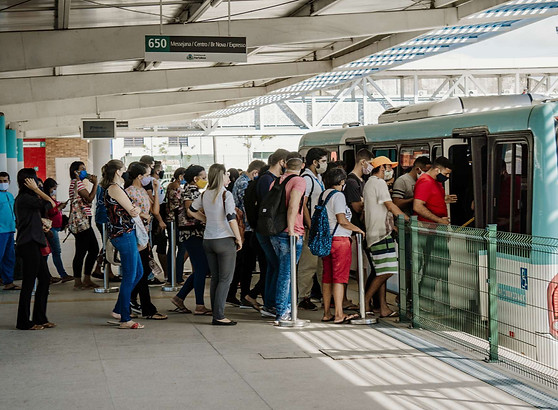
These large transport service integration equipments can be one of the most important solutions in the modernization of the system or, as a good part is, become a high investment with no operational return that justifies them. Rethink their function and use, optimize their internal processes for serving passengers, check their insertion in the region, etc. are some of the activities that make up their requalification and redemption process. Today, a good part of them operate inefficiently, with expensive administration, they provide a poor quality service to passengers, constituting one of the problems of public transport.
Going through the institutional, operational, financial and administrative part, our analysis and diagnosis seeks to identify, and propose improvements and possible mitigations for each of the problems, so that the terminal is able to improve the quality of the service provided to the user.
We consider the use of integration alternatives, for example the temporal one, for those cases where the viability of the conventional model does not prove to be positive, so that the passenger and the system are better served.
The crisis in the transport system forces us to rethink each of its components and this is certainly one of the main link in this new mobility chain.
Services:
-
Diagnosis of the current functioning of the integration terminals, with a survey of the teams, activities and costs incurred, and a proposal for the new way of functioning and administration.
-
Economic feasibility study of the proposal for the operation and administration of integration terminals.
-
Description of the technical requirements that will comprise the terminal administration and operation contract between the City Hall and the operational consortia.